
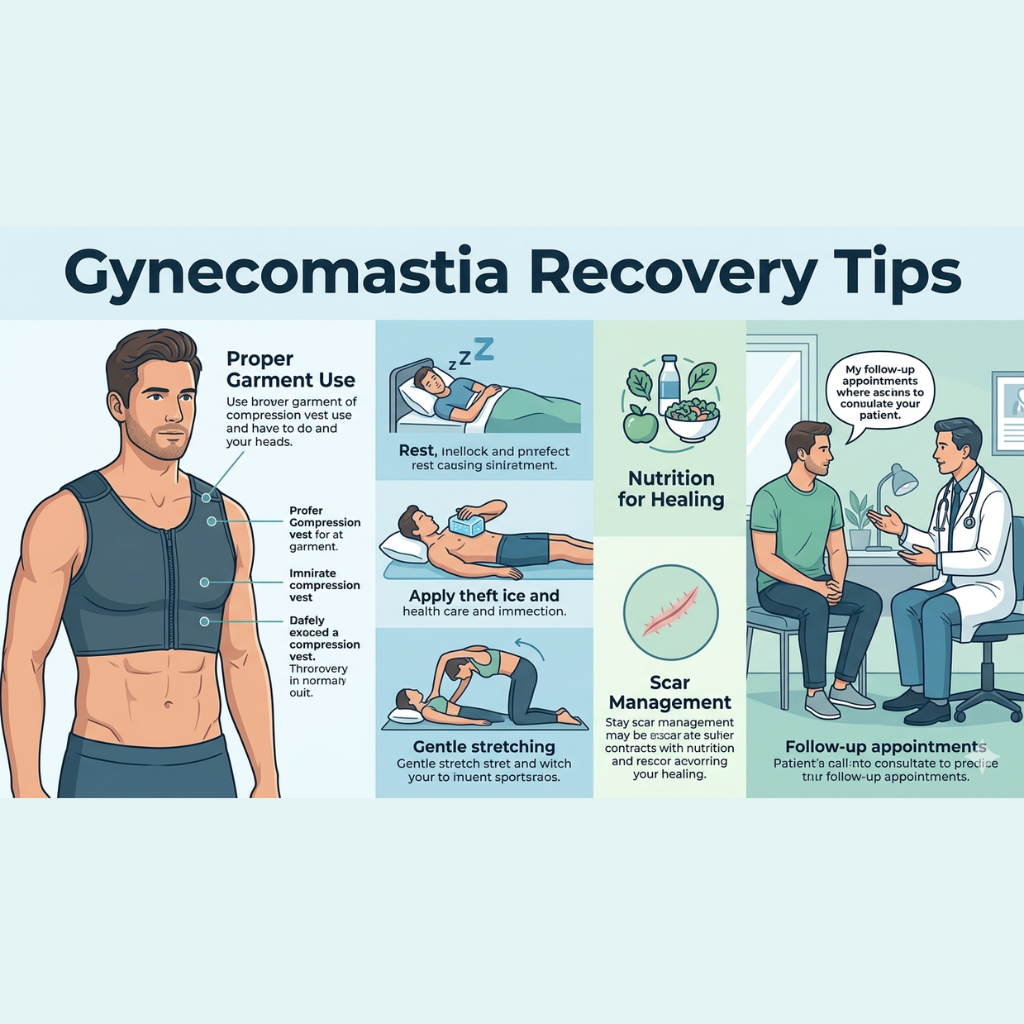
The transformation of your chest profile doesn't end in the operating room; it actually enters its most critical phase the moment you leave. While surgery reshapes the contours, the final aesthetic outcome depends entirely on how you manage your healing process.
By following expert gynecomastia recovery tips, you can ensure your body repairs itself efficiently while minimizing discomfort. This guide provides a clear, professional roadmap to help you navigate every milestone of your recovery journey with confidence.
Understanding the Healing Process After Surgery
Recovery is a biological marathon, not a sprint. When you undergo surgery, your body’s natural response is to protect the treated area through inflammation and increased blood flow. This is why recovery after gynecomastia surgery requires a blend of patience and proactive care. In 2026, modern surgical techniques have made the process much smoother, but the fundamentals of post-operative care remain the gold standard for success.
At Dr. Hijrat Clinic, we believe that an informed patient is a confident patient. Understanding that your body needs time to retract the skin and settle the new contours will help you stay calm during the initial days when swelling might temporarily hide your true results.
The First 48 Hours: Your Initial Steps to Safety
The first two days are dedicated to absolute rest and stabilization. You will feel soreness similar to an intense chest workout, which is normal. Focus on these key actions:
-
Strict Medication: Follow your prescribed schedule for pain and infection control.
-
Physical Assistance: Have someone help you with basic tasks (reaching for water, getting out of bed) to avoid muscle strain.
-
Controlled Movement: Keep all actions slow and deliberate to prevent internal bleeding and protect your incisions.
-
Energy Management: Avoid any activity that raises your heart rate or blood pressure.
The Role of the Compression Garment
The secret to a crisp, flat result is your compression garment. You’ll need to wear this specialized vest 24/7 for the first few weeks. It serves two critical purposes:
-
Swelling Management: It applies even pressure to prevent fluid buildup.
-
Skin Contouring: It helps the skin "stick" back to the underlying muscle for a smooth finish.
Many patients find it snug, but think of it as their best friend during healing. Removing it too early can lead to a seroma (fluid buildup), which might require extra medical attention.
A Week-by-Week Recovery Timeline
- Week 1: Back to Routine The "heavy" feeling usually lifts by day seven. Most office-based professionals return to work within 5 to 7 days, though you should avoid driving if you're still on pain medication.
- Weeks 2 to 4: Refining the Shape. As bruising fades, your new chest profile becomes visible. Now is the time to start a very gentle massage (as recommended by your surgeon) to break down scar tissue and keep the area soft.
- Month 2: Full Normalcy By the sixth week, most restrictions are lifted. You can finally retire the compression vest and enjoy your new wardrobe. Just remember that internal healing continues for a few more months, so stay hydrated.
Resuming Strenuous Physical Activity
Resuming physical activity requires a strategic, tiered approach to safeguard your surgical results. While you might feel ready to lift weights by week three, resuming strenuous physical activity too early can cause the chest to swell again or, worse, tear the internal sutures.
We recommend a tiered approach. Start with light walking in the first week, move to brisk walking by week three, and only return to heavy bench presses or high-intensity interval training (HIIT) after a full six to eight weeks. Always listen to your body; if a movement causes a pulling sensation or pain, stop immediately and give yourself more time.
Incision Care and Scarring Management
The goal of any cosmetic procedure is to leave as little evidence of surgery as possible. Incision care and scarring management are vital for a "discreet" result. Most incisions for this procedure are placed along the edge of the areola or in the natural crease of the armpit to hide them.
Keep the area clean and dry. Once the incisions have fully closed, your surgeon may recommend silicone sheets or specialized gels to further fade the marks. Protecting the scars from direct sunlight for the first year is also crucial, as UV rays can cause permanent darkening of the scar tissue.
Managing Your Diet and Hydration
Proper nutrition is a biological catalyst for tissue repair. To speed up your recovery, focus on these essentials:
-
Healing Nutrients: A diet rich in Protein, Vitamin C, and Zinc accelerates wound closing.
-
Low Sodium: Avoid excessive salt to prevent water retention and unnecessary swelling.
-
Hydration: Drink plenty of water to flush out anesthesia remnants and maintain skin elasticity.
The Value of Expert Aftercare
When considering the gynecomastia surgery cost in Pakistan, remember that the investment covers more than just the procedure. True value lies in the quality of post-operative guidance and clinical safety. At Dr. Hijrat Clinic, our comprehensive aftercare ensures that your recovery is as smooth and successful as the surgery itself.
Conclusion
Achieving the best results from your transformation depends entirely on how you handle the healing phase. By strictly following these gynecomastia recovery tips, wearing your compression garment, and resuming physical activity gradually, you ensure a smooth transition to your new physique. Recovery is a brief period of discipline for a lifetime of confidence. Trust the healing process, stay patient with the initial swelling, and focus on the permanent, crisp contour you’ve worked for.
Ready to see your final results? Schedule your follow-up or consultation at Dr. Hijrat Clinic now. Our specialists are here to guide you through every stage of your recovery for a safe and smooth transition.
Frequently Asked Questions (FAQs)
1. How long do I need to take off from work?
Most patients can return to a desk job within 5 to 7 days. If your job involves heavy lifting or physical labor, you may need 2 to 3 weeks of recovery time before returning.
2. When can I start sleeping on my stomach again?
It is best to sleep on your back with your chest slightly elevated for the first 2 to 3 weeks. You can usually return to side or stomach sleeping after the first month, once the initial soreness has subsided.
3. Is it normal for the chest to look uneven during the first month?
Yes, absolutely. Swelling often settles differently on each side of the body. One side may heal faster than the other, making the chest look slightly asymmetrical. This usually balances out by the third month.
4. Can I shower immediately after the surgery?
Usually, you can take a sponge bath after 24 hours, but you should avoid a full shower until your surgeon gives you the green light—typically 48 to 72 hours post-surgery to ensure the incisions stay dry.
5. Will the results of the surgery be permanent?
Yes, as long as you maintain a stable weight and a healthy lifestyle. The glandular tissue removed during the procedure does not grow back, but significant weight gain can still affect the appearance of your chest.